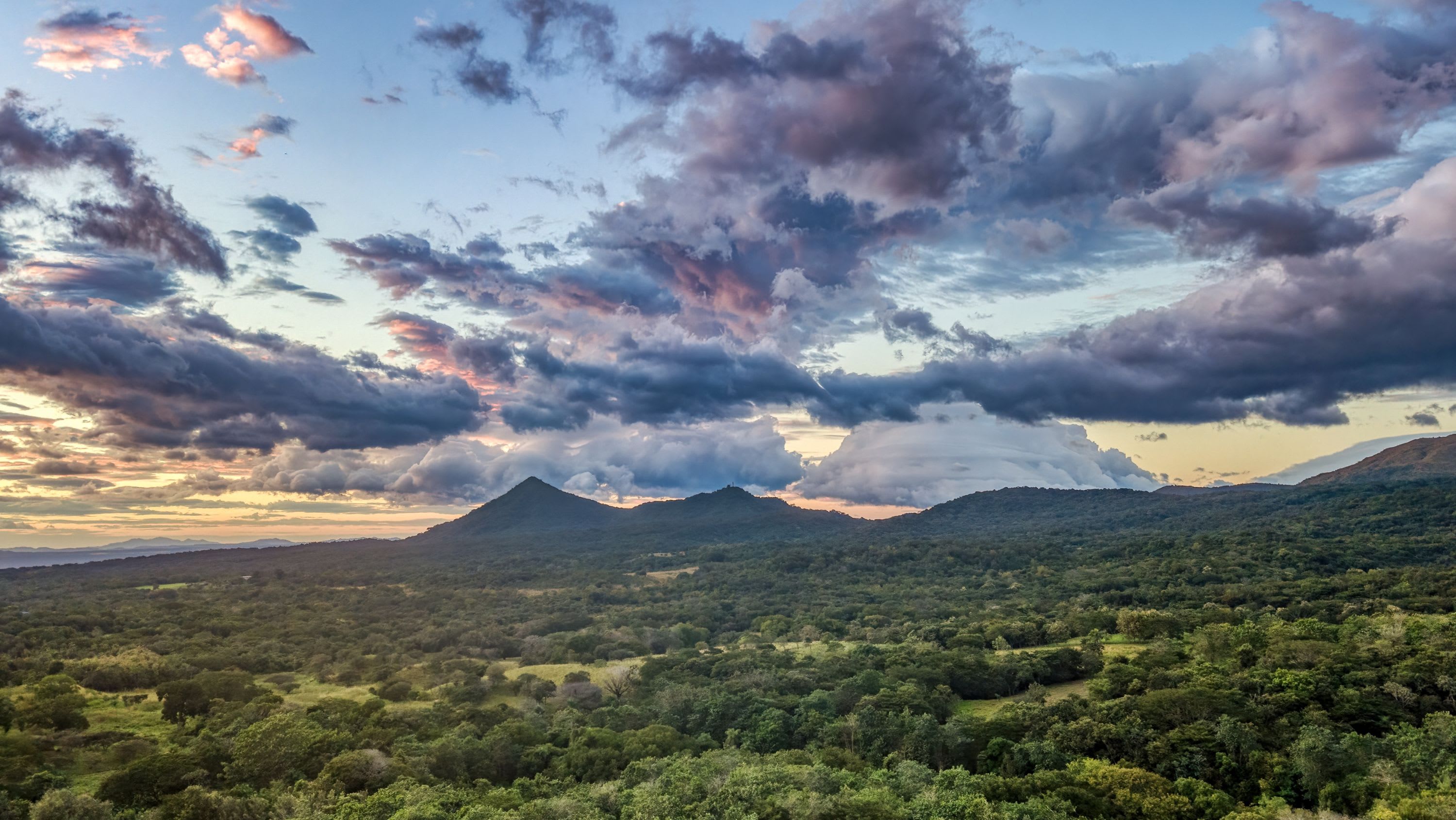
There is a version of Costa Rica most travelers never reach, the one where you arrive at a national park gate before the tour buses, entry already reserved, with a private guide who knows which trail closes at noon. That version is available to those who make Guanacaste’s Pacific coast their base. The first destination worth building a day around is Rincón de la Vieja.
Rincón de la Vieja National Park sits within roughly 90 minutes of Cantomar Ocean Club: an active volcano of bubbling mud pots, steaming fumaroles, and thermal hot springs, all walkable in a single morning. It anchors this excursion guide because it rewards intention. The visit is far better when planned around the park’s quirks rather than discovered at the gate.
This guide brings together some of Guanacaste’s most rewarding day trips, from volcanic landscapes and turquoise waterfalls to wildlife-rich wetlands and scenic excursions farther afield:

Photo by Jean Paul Montanaro on Pexels
Rincón de la Vieja National Park: Volcanic Mud Pots, Fumaroles, and Thermal Hot Springs
The draw here is geothermal, and it’s close enough to touch. Las Pailas strings together every signature feature of the park into a manageable circuit: bubbling mud pots, sulphur fumaroles, a mini-volcano, and volcanic vents. This geothermal activity is the reason the park exists as a destination at all. Rincon de la Vieja is among the most rewarding of Guanacaste’s national parks precisely because those features sit within an easy morning’s reach.
The volcano itself remains active. The summit trail to the active crater has been closed for several years due to ongoing volcanic activity, and even before the closure, it was a permit-restricted hike. That’s not a loss for most visitors. The accessible Las Pailas loop on the volcano’s lower flank is where the geothermal drama actually happens.
The volcano’s status can change, though: it was raised to a caution level in late July 2026 after a series of eruptions, and full or partial closures around active volcanoes have occurred repeatedly, lasting anywhere from a day to several weeks. Build that possibility into a tight itinerary.
The signature hiking payoffs are the two waterfalls reached from the Las Pailas sector: La Cangreja and Oropendola. These are longer out-and-back hikes through tropical dry forest, and they’re the reason a first-timer’s timing so often goes wrong. More on that below.
For a Cantomar owner, the visit looks different from the standard tour: a private guide, entry reserved in advance, and an arrival timed to reach the mud pots before the mid-morning bus groups. The park rarely feels crowded when the day is planned correctly.
Las Pailas vs. Santa María: Choosing Your Sector
The Rincon de la Vieja National Park is divided into two sectors, each with its own ranger station and entrance: Santa María and Pailas. The Las Pailas sector is home to the boiling mud pots trail, La Cangreja Waterfall, and the park’s most famous volcanic features, while the Santa Maria sector is quieter and known for its hot springs and humid forest.
The table below compares the two, matching the sector to the day in mind.
Sector | Primary trails | Distance / duration | Difficulty | Key features | Best for |
|---|---|---|---|---|---|
Las Pailas | Las Pailas loop; La Cangreja / Oropendola waterfall trails | Loop ~3.5 km (2.2 mi), about 90 min; waterfall trails ~10 km (6.2 mi) round trip, roughly 3 hours | Loop easy; waterfalls moderate | Mud pots, fumaroles, mini-volcano, waterfalls | A half-day of geothermal highlights or a fuller day adding a waterfall |
Santa María | Colibrí and Hummingbird trails; hot springs | Longer, quieter walking | Moderate | Thermal hot springs, humid forest, fewer visitors | A slower, less-trafficked day; a 4×4 helps on the access road |
For most owners, Las Pailas is the natural half-day choice. Santa María rewards those with a fuller day and an appetite for solitude. Standard sedans handle the mostly paved road to Las Pailas, while a 4×4 is recommended for the Santa María sector.
The La Cangreja Waterfall Cutoff: A Commonly Missed Trip Killer
This is the single logistical detail that catches first-timers off guard. To do the La Cangreja or Escondida waterfall hike in the Las Pailas sector, you must enter before 12 PM; after noon, there is no entry to the waterfalls, only the boiling mud pots trail.
The waterfall hikes are long. These are over-five-mile round trips that can take 3 to 4 hours, so a midday cutoff isn’t arbitrary. It exists to keep hikers off the trail after dark. The practical consequence is simple: build the day around the cutoff, not the other way around.
An owner arriving on a pre-arranged early transfer is on the trail well before the deadline. A visitor who lingers over breakfast and hits traffic on the access road finds the gate already closed.
Reserving Your Visit: The SINAC Online Ticket Walkthrough
Rincón de la Vieja is one of the national parks in Costa Rica where advance reservation is genuinely required. Park tickets must be purchased online on the SINAC website; they will no longer sell park tickets at the national park entrance. The booking itself is straightforward once the sequence is known:
Go to the official SINAC online reservation portal and create an account. You need to create an account first, and English is available.
Select Rincón de la Vieja and choose your sector, Las Pailas or Santa María.
Enter your visit date, the number of visitors, and each person’s passport details.
Pay by card. The ticket price is the same for both sectors, and payment is credit card only, no cash.
Save the confirmation to present at the ranger station.
In high season, book several days ahead. Many of these parks cap the number of visitors allowed during each time slot, and reservations can be made up to 60 days in advance. Owners who would rather not navigate a government portal in Spanish can have Cantomar’s concierge arrange the reservation, the guide, and the timed transfer as a single request.
Can you hike Rincón de la Vieja without a guide?
Yes, the main trails, including the Las Pailas Loop and the walk to La Cangreja Waterfall, are well-marked and open to independent hikers without a guide. Summit access is different: reaching the crater of the de la vieja volcano is no longer permitted due to unpredictable volcanic activity. Rangers still recommend telling park staff your plans and starting early.
Wildlife You’re Likely to See, and When
The park sits within a tropical dry forest, and its wildlife follows the rhythm of heat and shade. White-faced, howler, and Colorado monkeys are very common, and around 300 species of birds have been identified in the park. The dense vegetation gives them cover, so patience often matters more than distance covered.
Early morning is the productive window. Howler monkeys announce themselves at dawn; coatis forage along the forest edges in the cooler hours; motmots and toucans move through the canopy before the midday heat settles in. Monkeys are commonly seen in the forested portions of the trail. A guide’s trained eye is the difference between walking past wildlife and watching it.
Trail Difficulty, Families, and Mobility Considerations
Distance isn’t the real limiting factor here; terrain is. The Las Pailas loop is short and mostly flat, threading a mix of paved and forest paths, and it suits families with young children, seniors, and most casual walkers.
The first stretch is a paved path through a shady forest that crosses a river via a sturdy bridge, and this part is well-maintained, fairly easy, and suitable for those with limited mobility. The volcanic ground is uneven in places, and the sulphur smell is noticeable, but the circuit is manageable in about an hour, with volcanic mud that bubbles audibly beside the boardwalk.
The waterfall trails are a different proposition. Roughly ten kilometers round trip over uneven ground with river crossings, they demand moderate fitness and reliable footing. Visitors with mobility concerns should plan on the mud pots loop and skip the waterfalls. For anyone with knee or ankle limitations, the honest answer is that the geothermal loop delivers most of the park’s character with a fraction of the strain.
Best Time to Visit, Dry Season vs. Green Season
The season shapes the experience more than the hour. In the dry season, roughly December through April, trails are firm, and the hiking is easier. The trade-off is that the seasonal waterfall on the loop can slow to a trickle. The Las Pailas loop passes a seasonal waterfall. The rainy season brings muddy paths but dramatic waterfalls, while the dry season provides clearer weather and drier trails.
Green season, from May onward, brings fuller waterfalls, a greener forest, and thinner crowds, at the cost of muddier footing and the occasional trail closure after heavy rain.
Owners chasing photographic waterfalls should lean toward the green season; those prioritizing dry, sure-footed hiking should favor the dry months. Either way, it’s worth asking the ranger about current conditions before starting a long trail.
How long does it take to hike Rincón de la Vieja?
The Las Pailas Trail, the park’s most iconic route through active volcanic terrain, is a 3.5-kilometer loop that takes about 2 to 3 hours at a comfortable pace. Longer routes to the waterfalls add a few hours, so most visitors plan for half a day at the rincon de la vieja volcano.
What to Pack for Volcanic Terrain and Tropical Heat
The forest and the open volcanic ground demand slightly different things, so pack for both:
Closed hiking shoes or trail runners with grip, the volcanic ground is uneven, and river crossings are slick
Plenty of water; the dry-forest heat is deceptive, and there is little shade on the open stretches
Sun protection, hat, high-SPF sunscreen, and sunglasses
Insect repellent, especially near the waterfalls where mosquitoes gather
Swimwear for a hot-springs soak near the Guachipelín area after the hike
A light layer for the temperature shift between shaded forest and open terrain
Those planning to fold in the thermal pools may want to read our notes on a wellness retreat in Costa Rica for how the hot springs pair with a slower recovery day.
Rio Celeste and Tenorio Volcano National Park: The Turquoise Waterfall
The natural second destination lies roughly a two-hour drive from Cantomar. Rio Celeste, inside Tenorio Volcano National Park, is a river of an almost improbable turquoise. Researchers found the blue water to be an optical illusion rather than a chemical phenomenon, caused by a white substance coating the rocks at the bottom of the riverbed, a trick of light and suspended particles rather than a pigment. The vivid color emerges at the teñideros, where two mineral-rich waters meet.
For a Cantomar residence owner, this day begins early: a private transfer, tickets reserved through SINAC in advance, and an arrival timed ahead of the tour groups: a private transfer, tickets reserved through SINAC in advance, and an arrival timed ahead of the tour groups that fill the trail by mid-morning. The park is open daily from 8 AM to 4 PM; the last entry is at 2 PM, and visitors must exit by 4 PM, so a leisurely start isn’t an option in high season.
Rio Celeste Costa Rica: Trail Length and What to Expect
The full trail is a moderate half-day of walking. The Rio Celeste trail is roughly 7 km (about 4.34 miles) total and takes around three hours; the waterfall sits about 1.5 km in, followed by 253 steep steps down to its base. Every one of those steps must be climbed again on the return.
One recent change is worth checking before you go: since mid-2025, access to the lower section of the waterfall trail has been restricted. The waterfall remains visible from the designated observation area, but access may vary depending on current park conditions.
What you actually see depends on how far you go. The waterfall is the headline view and the turnaround point for many. The path to the waterfall follows 1.5 km of wide, well-maintained trail, partially paved before turning to dirt and rock, passing the park sign, a bridge, and two small streams, reaching the waterfall junction after about 30 minutes.
Beyond it, the trail continues to the Laguna Azul and the teñideros, where the blue color is born. The steps and the rocky sections toward the lagoon are the trickiest parts, and the trail is neither stroller- nor wheelchair-friendly. Note too that swimming is not allowed anywhere inside the national park.
Is Rincón de la Vieja worth visiting?
Yes. The park protects an active stratovolcano with bubbling mud pots, steaming fumaroles, and pristine cloud forest, all about 90 minutes from Liberia International Airport, making it one of the easiest volcanic landscapes in Costa Rica to reach for a day trip.
Guanacaste Day Trips Beyond the Volcanoes: Palo Verde, Llanos de Cortés, and Helicopter Access
Not every day should involve a long climb. The broader menu of Guanacaste day trips includes a river safari, an easy waterfall, and, for those who value time above all, a helicopter that removes the drive entirely. Liberia’s international airport, less than an hour from the coast, is where most of these helicopter transfers begin.

Palo Verde National Park Boat Safari
Palo Verde is a wetland rather than a mountain, and it makes a fine counterpoint to a hiking-heavy volcano day. The park encompasses over 45,000 acres of the Tempisque Conservation Area, protecting one of the most endangered ecosystems in Central America, the tropical dry forest. The way to experience it is from the water.
A covered boat drifts down the Tempisque River while a naturalist points out wildlife along the banks. The park is renowned for over 300 bird species and its status as a vital wetland for migratory waterfowl.
A boat safari brings you close to storks, egrets, and spoonbills alongside monkeys, iguanas, and the American crocodile lining the banks. Boat tours run 1.5–2 hours on covered motorboats, with frequent sightings of crocodiles, monkeys, and iguanas. It asks nothing of the legs. This is the day to bring a camera and let the guide do the walking.
Llanos de Cortés Waterfall
Llanos de Cortés is the low-effort, high-reward stop. A short walk from parking delivers you to a broad curtain of water falling into a swimmable pool, a place to cool off rather than to conquer. Because it asks so little, it pairs naturally with another destination in a single day: a Palo Verde morning and a Llanos de Cortés afternoon make an unhurried, wildlife-and-water itinerary that never feels rushed.
For those weighing the full range of options, our overview of things to do in Guanacaste puts these stops in the context of the wider region.
Helicopter Day Trips from Cantomar
Here, the Cantomar owner’s-eye view becomes literal. The constraint on combining distant destinations isn’t interest; it’s drive time. A helicopter transfer removes it. Rio Celeste and Palo Verde sit hours apart by road; by air, they belong to the same afternoon, and the winding access roads that eat a self-driver’s day simply disappear beneath you.
This is the clearest expression of what discreet, pre-arranged access makes possible: two named destinations in a single unhurried day, without the queues, the buses, or the hours behind the wheel.
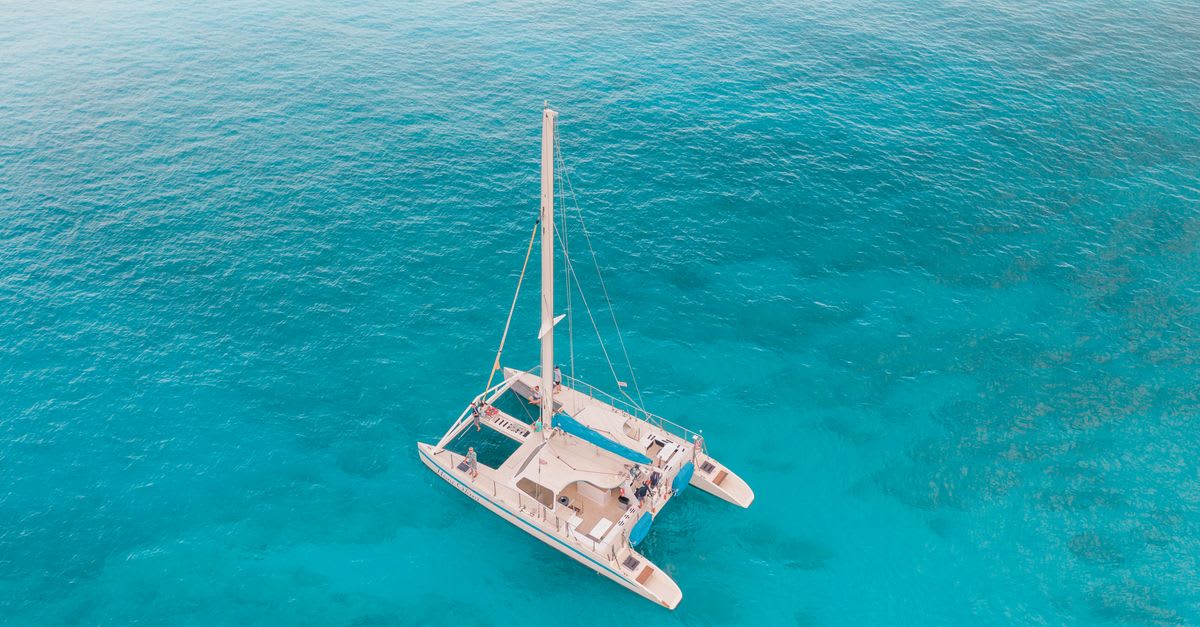
For those drawn to arriving by air and water alike, a private yacht charter along Guanacaste’s coast follows the same unhurried logic offshore.
Adventure Add-Ons in Guanacaste: Horseback Riding, Zip Lining, and ATV Tours
Many operators near the park, the Hacienda Guachipelín area chief among them, offer complementary excursions alongside a Rincón de la Vieja visit. The adventure centres immediately outside the gate let you stack hot springs and ziplining onto the same day. They fit neatly into an afternoon once the morning’s hiking is done.
Horseback riding in Guanacaste follows dry-forest trails at an unhurried pace, well suited to those who would rather ride the terrain than climb it. Zip lining sends riders through the forest canopy on a series of cables, a different vantage on the same landscape.
And ATV tours trace back-country routes across ridges and riverbeds for those who want more throttle in their day. Each is best pre-arranged rather than booked on arrival, so the day flows from one activity to the next without a wait at a tour desk.
For a day built around water rather than wheels, two spots are worth knowing. Pozo de Coyotes is a stretch of river prized for its strikingly blue-green pools, where the appeal is simple: float downriver, swim, and relax beside a waterfall, with no real hiking required. La Leona Waterfall asks a bit more of you; the route follows a riverbed uphill before opening onto the falls themselves, a natural spot to swim and take photos before making the walk back down.
Cantomar Ocean Club: The Base for Guanacaste’s Best Excursions
Everything above shares a common thread: the experience improves with proximity and pre-arrangement. That’s precisely what ownership at Cantomar provides. The volcano parks, the turquoise river, the wetland safari, and the waterfalls all sit within a comfortable radius, and the club’s concierge exists to handle the reservations, the timed transfers, and the guides that separate a smooth day from a scramble at the gate.
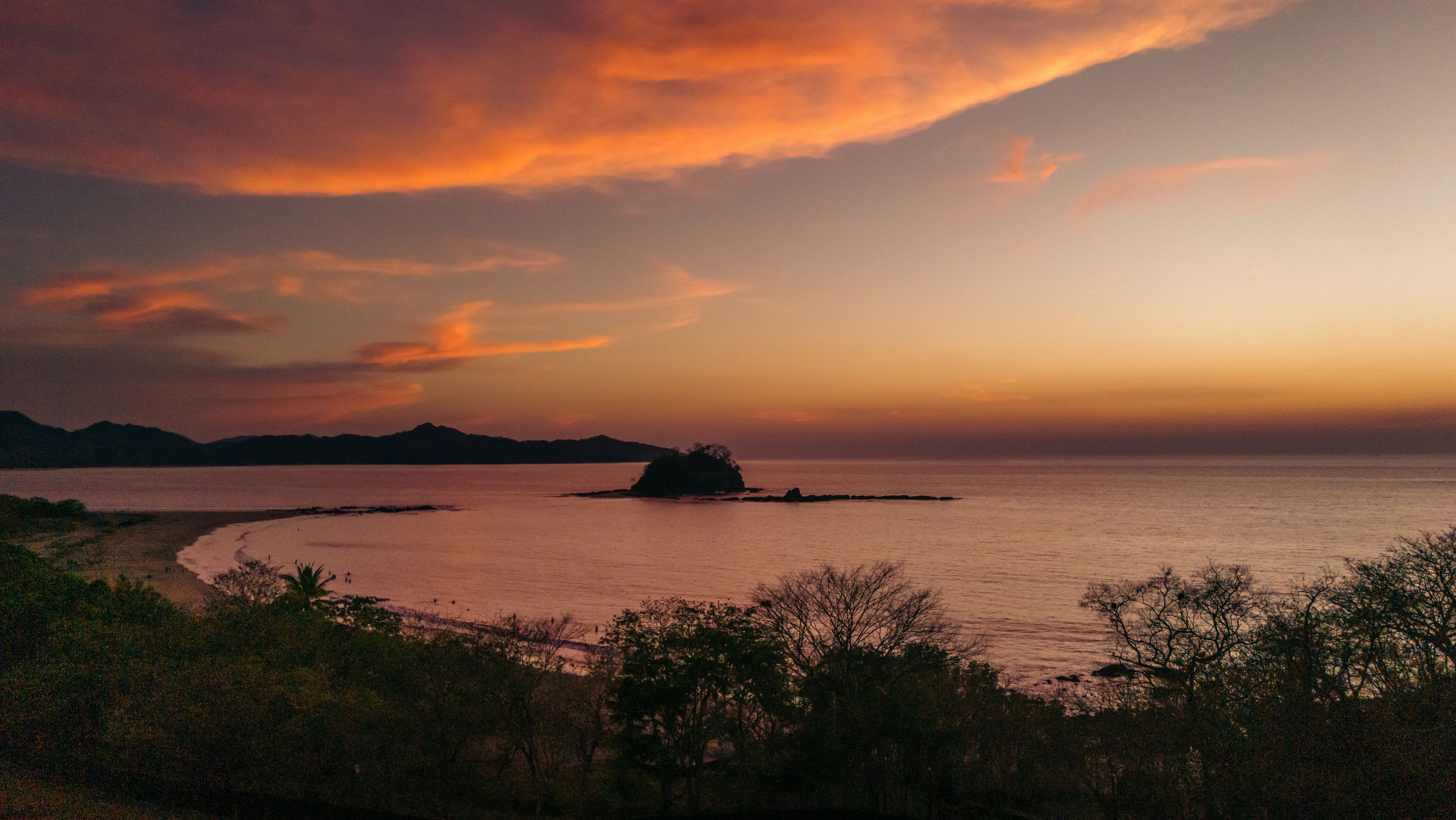
The pleasure of a base like this is not only what it lets you reach. It’s what it lets you decline. On a given morning, you might be on the Las Pailas loop before the buses arrive; on another, doing nothing more strenuous than watching the coastline from a private terrace.
The excursions are there when the mood calls for them, and the beach club’s amenities, discretion, and quiet are there when it doesn’t.
That’s the rhythm of ownership on this stretch of the Pacific: full days when they’re wanted, and unhurried ones when they’re not, with the whole of Guanacaste shaped around your intentions rather than a tour schedule. Get in touch to learn more about us!